eTIR identified as a key solution to strengthen the Middle Corridor at international customs workshop
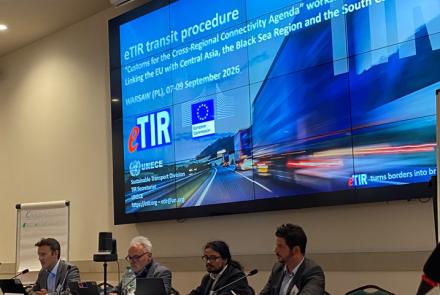
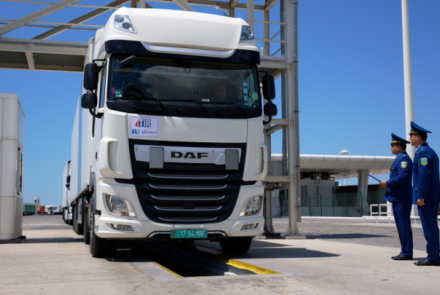
Representatives from customs administrations, international organizations and the European Union concluded that the eTIR offers one of the most promising solutions to address many of the challenges affecting transit operations along the Trans-Caspian Transport Corridor (Middle Corridor), during a regional workshop held in Warsaw, Poland, from 7 to 9 September 2026.
The workshop, entitled "Customs for the Cross-Regional Connectivity Agenda: Linking the EU with Central Asia, the Black Sea Region and the South Caucasus", was organized by the Polish National Revenue Administration, the European Commission and GIZ. It brought together representatives from Armenia, Belgium, Czechia, Georgia, Kazakhstan, Kyrgyzstan, the Republic of Moldova, Poland, Romania, Tajikistan, Türkiye, Turkmenistan, Ukraine, Uzbekistan, as well as international organizations and EU institutions.
Participants examined operational, institutional and digital barriers affecting the corridor, including paper-based procedures, repeated controls, limited advance information exchange, lack of interoperability between customs systems and insufficient digital infrastructure at border-crossing points. Discussions focused on reducing repeated controls, improving secure data exchange, enhancing interoperability between customs systems and supporting risk-based border management. Participants also explored opportunities to further connect eTIR with other digital customs and trade facilitation initiatives.
After reviewing possible solutions and international good practices, participants identified eTIR as the most relevant tool to address a large majority of the identified bottlenecks.
UNECE presented recent developments related to the eTIR procedure and its digital solutions (eTIR National Applications and eTIR International System in particular), and highlighted the potential of digital transit procedures to facilitate secure data exchange, support risk management and enhance cooperation among customs administrations. Participants emphasized the need to maintain momentum around digitalization initiatives and further cooperation across the region.
The workshop concluded with the development of a common action plan and discussions on future activities aimed at advancing customs modernization and improving connectivity between Europe, Central Asia and the South Caucasus.
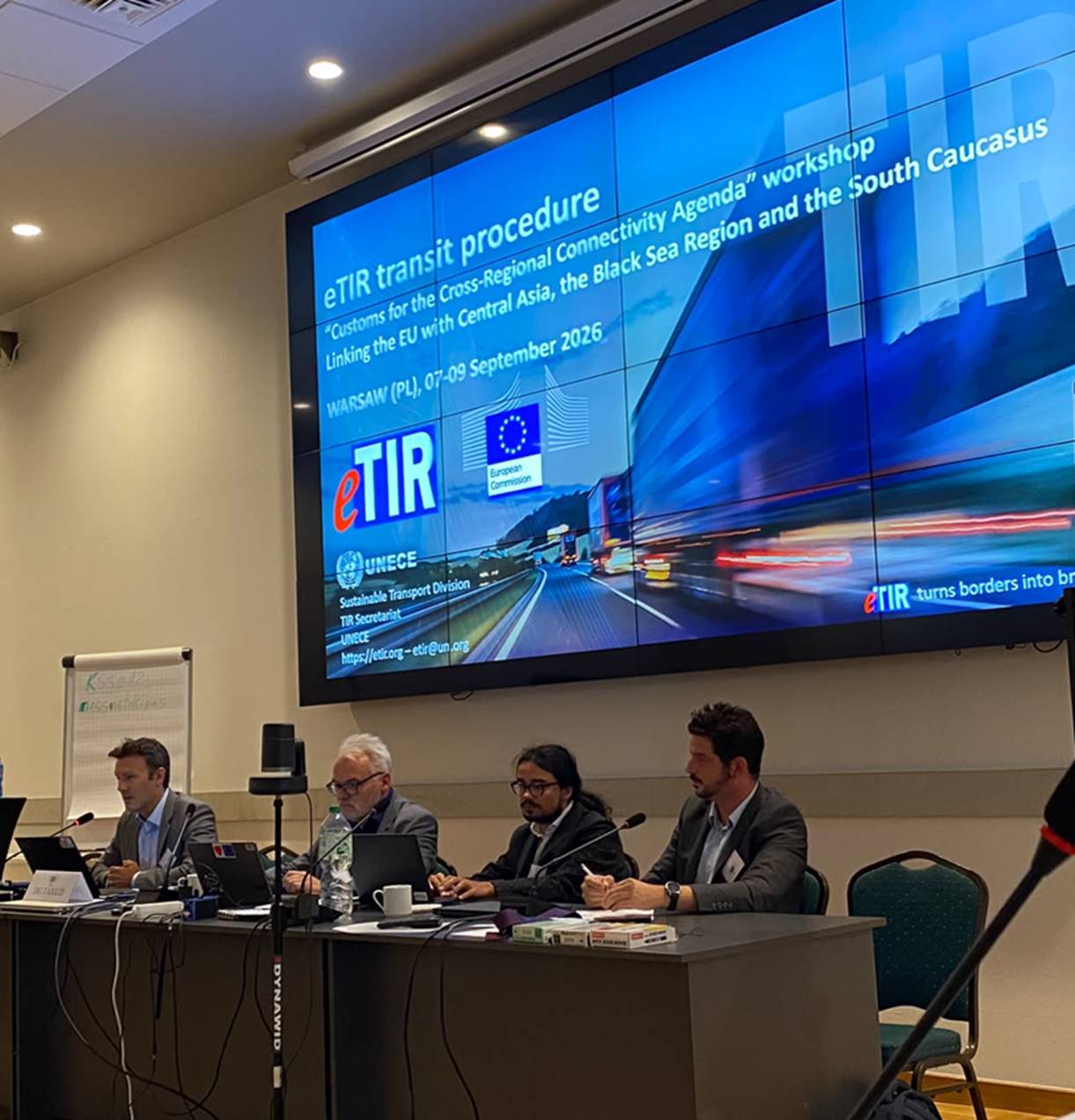
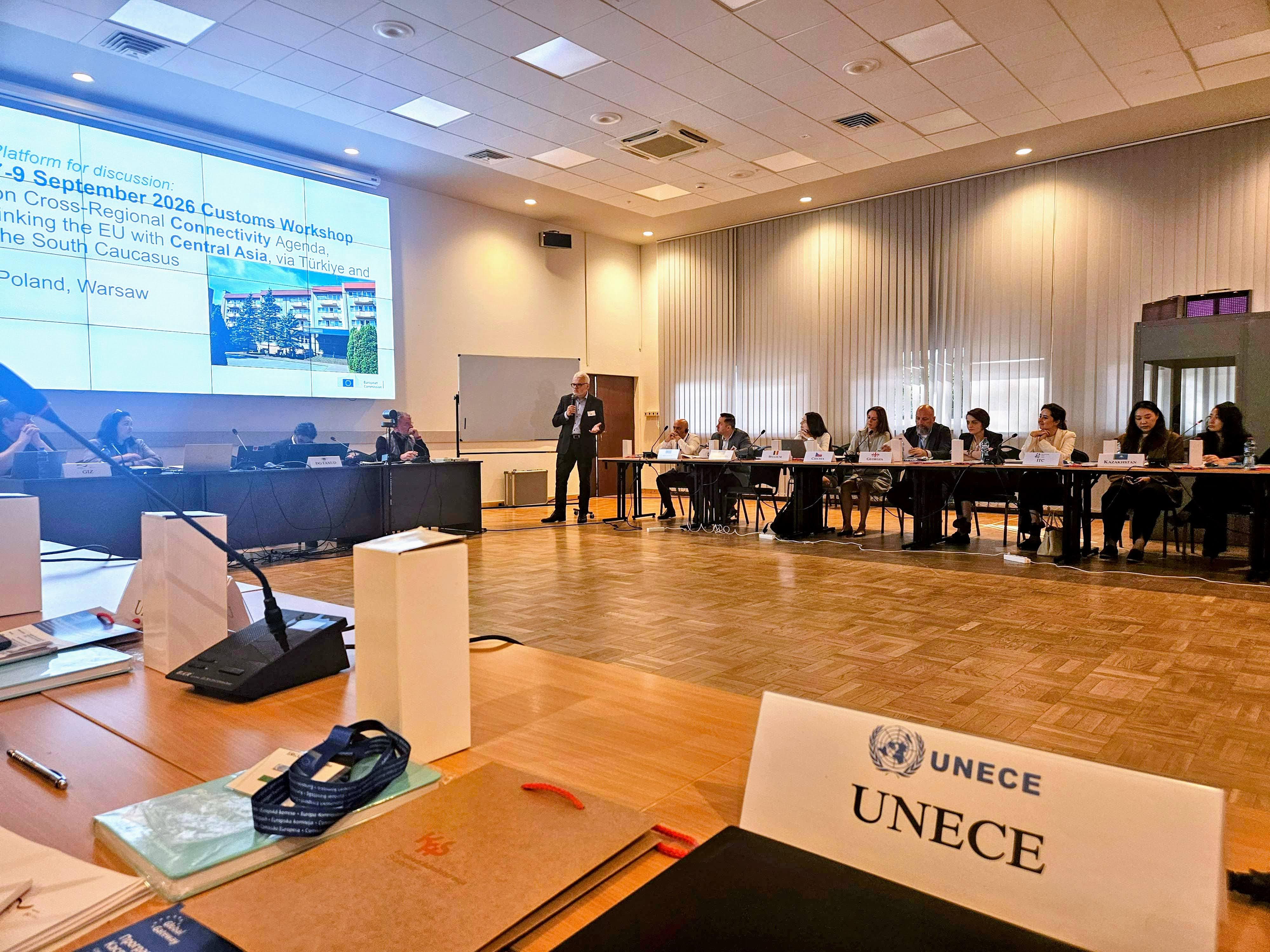
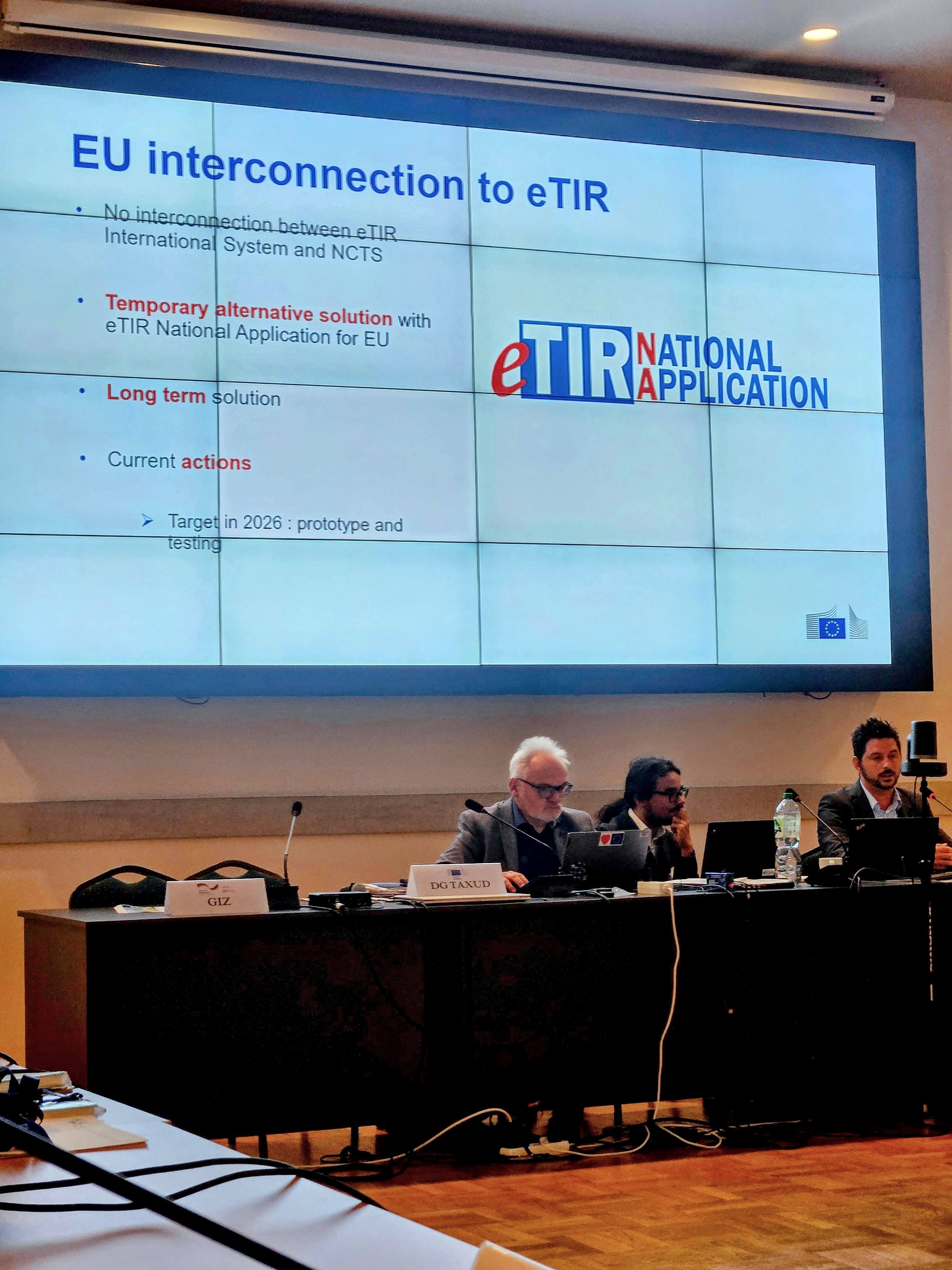
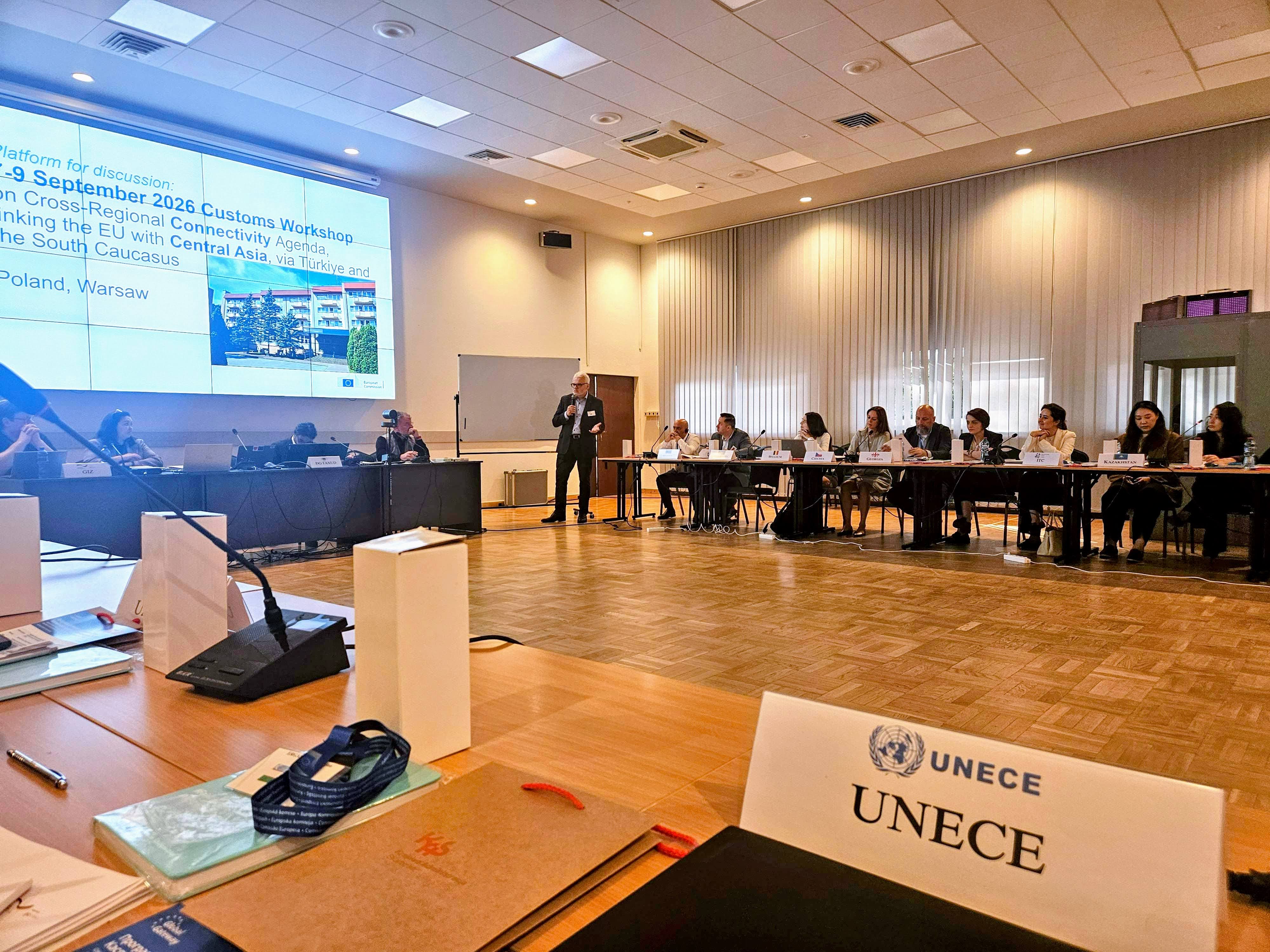
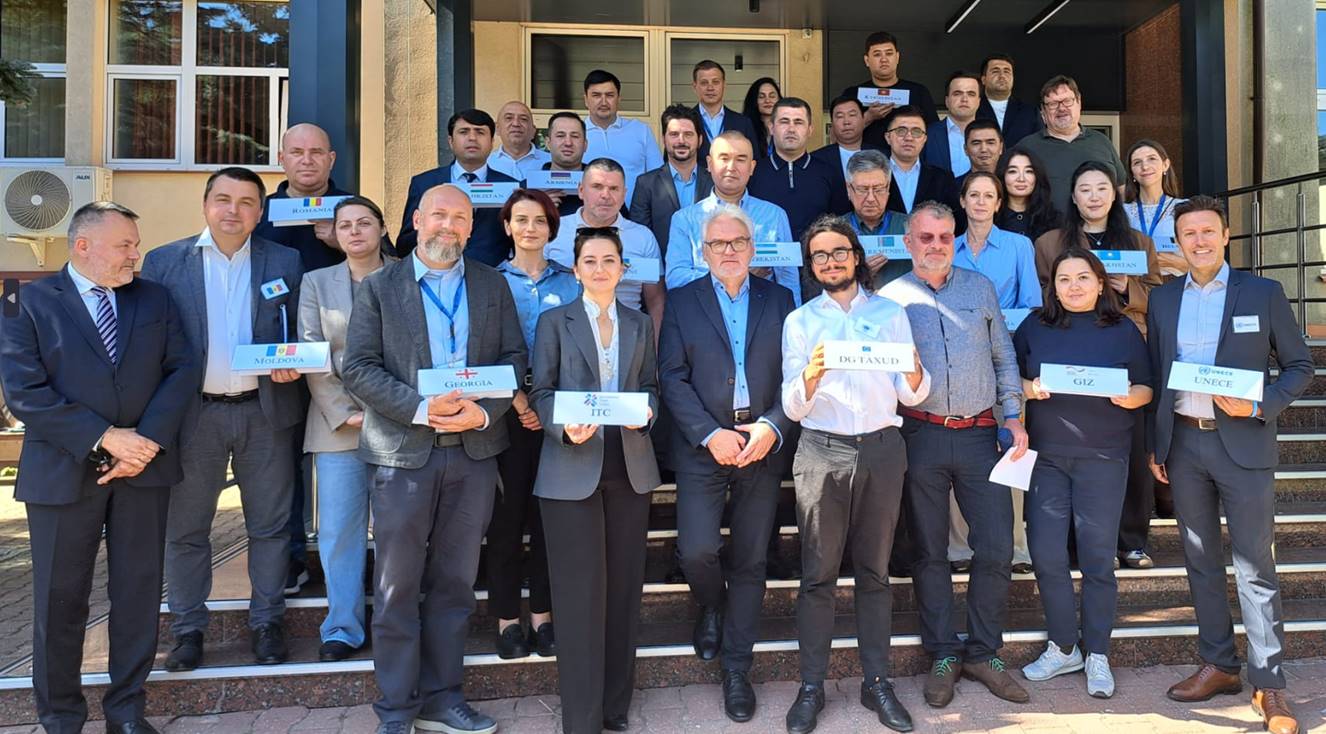
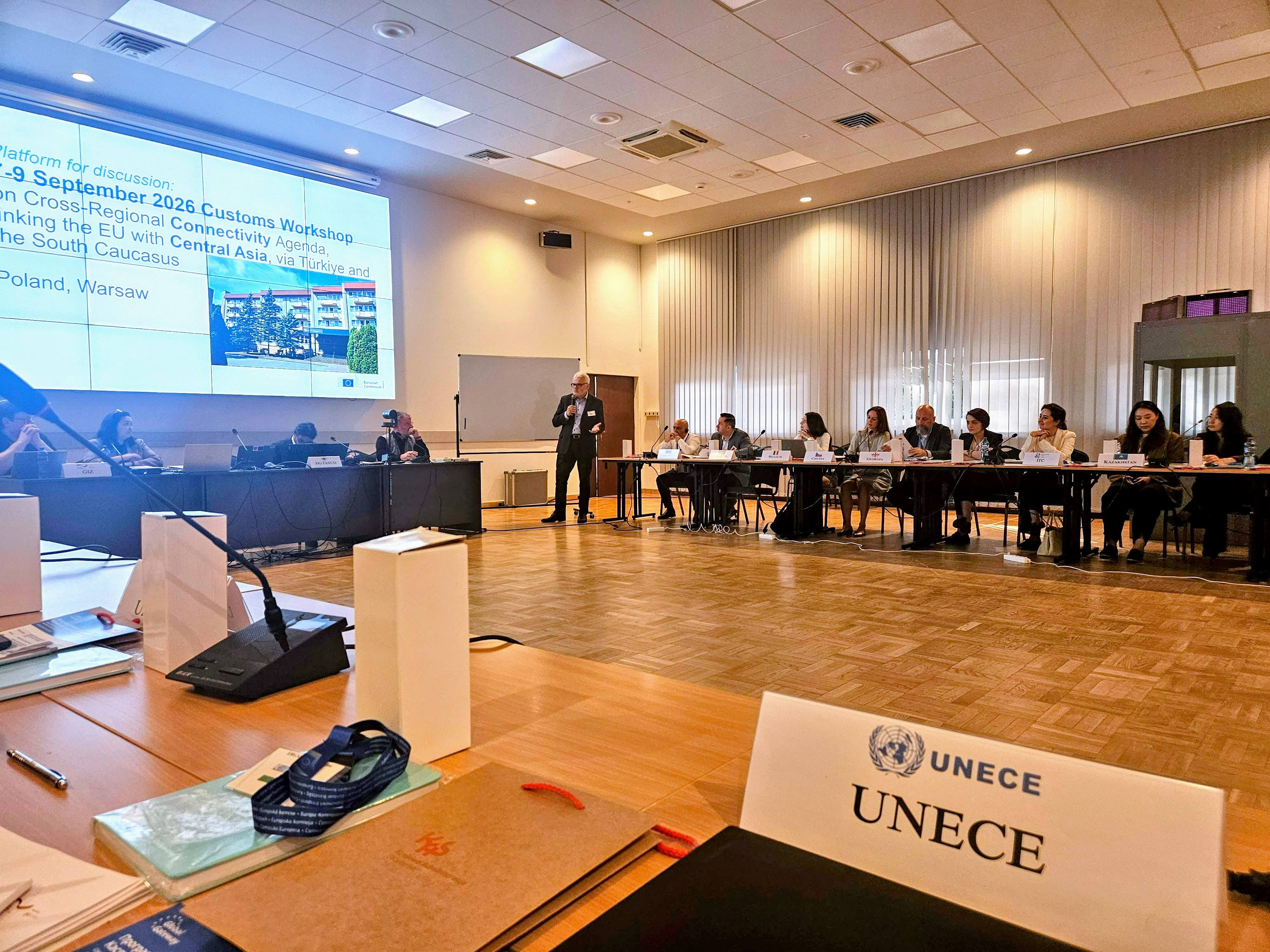
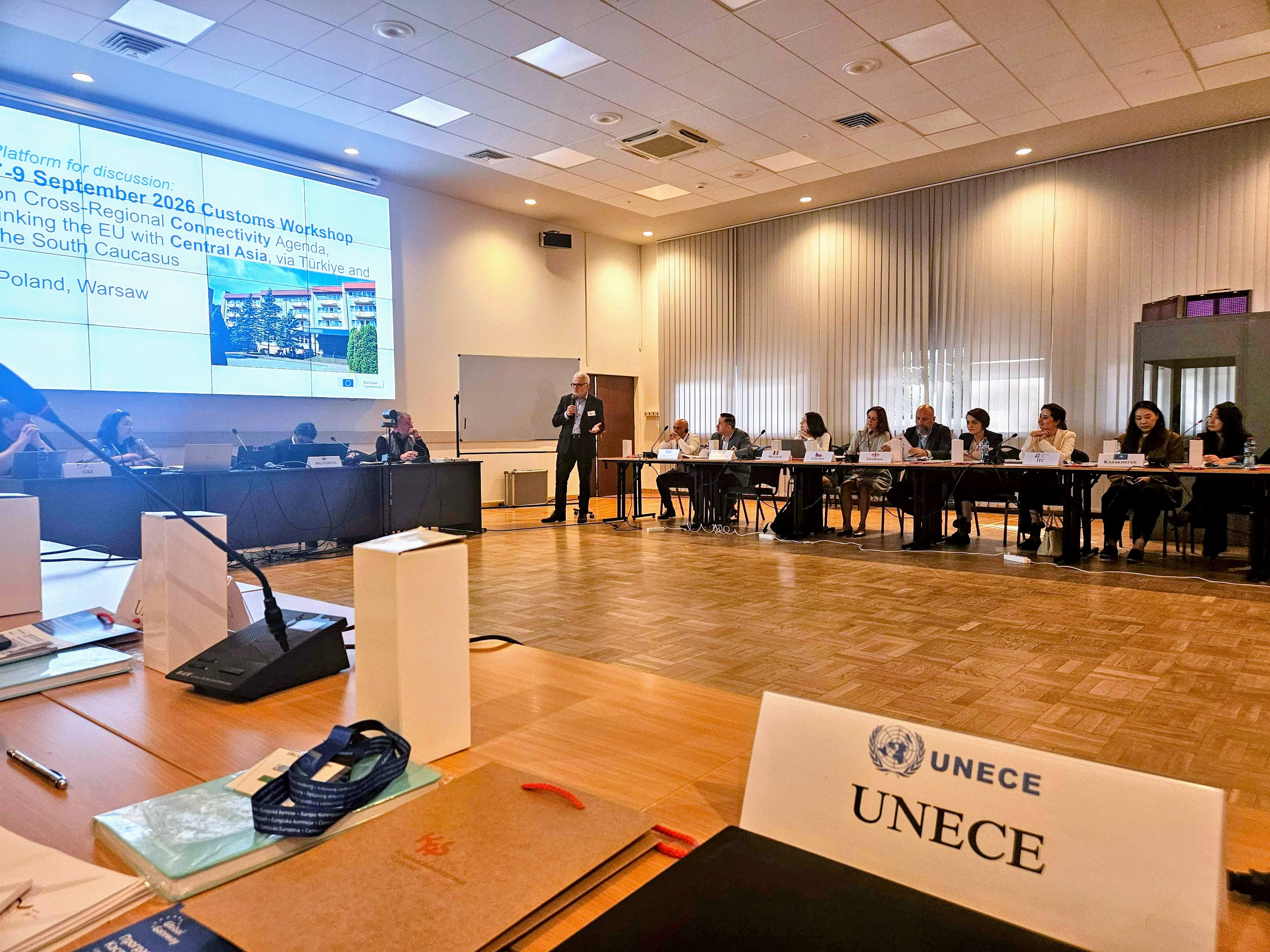
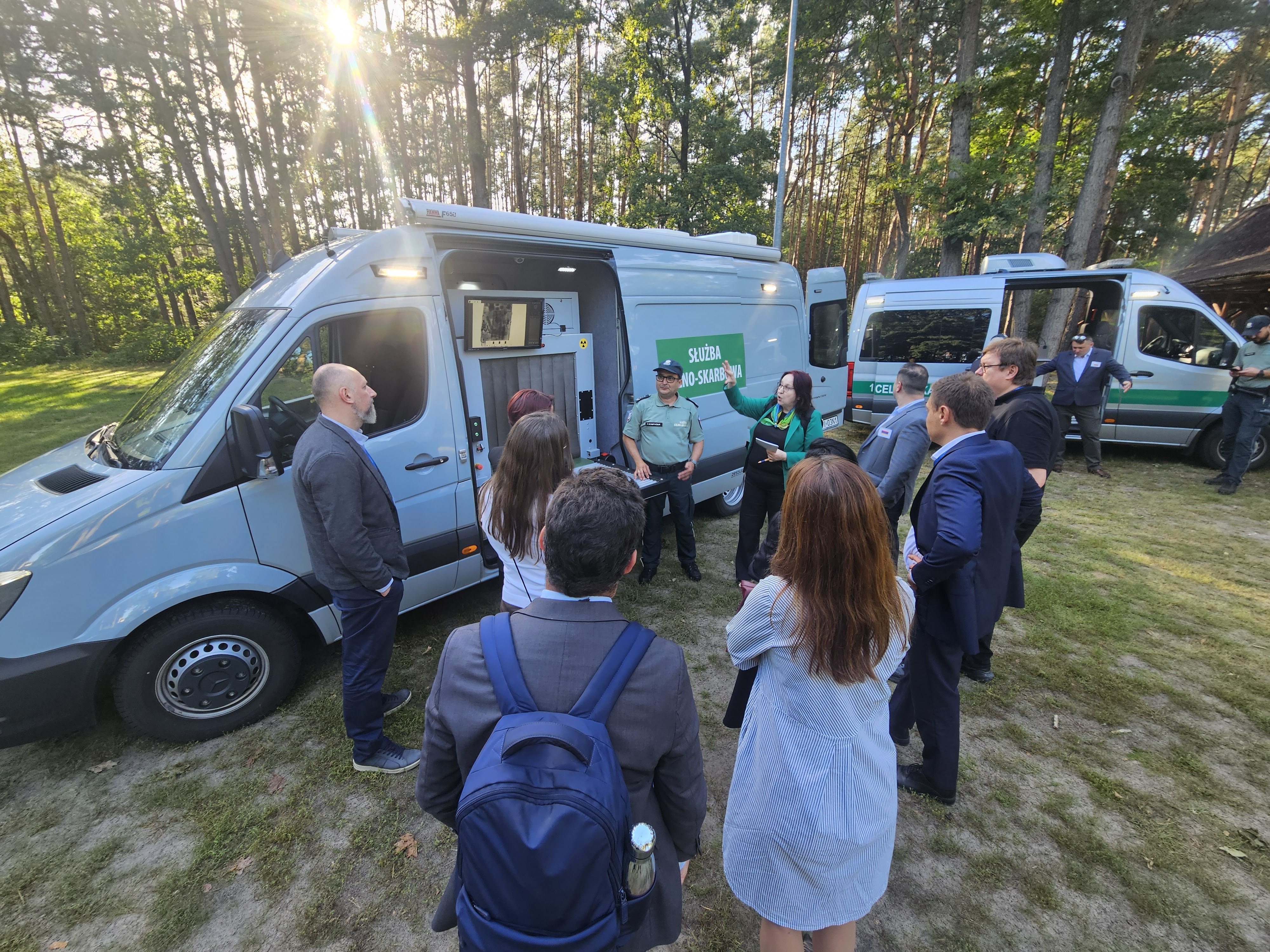
Photo credits: Jonathan Valdes - UNECE
- Log in to post comments