UNECE presents eTIR as a multilateral framework for customs data exchange at Middle Corridor workshop
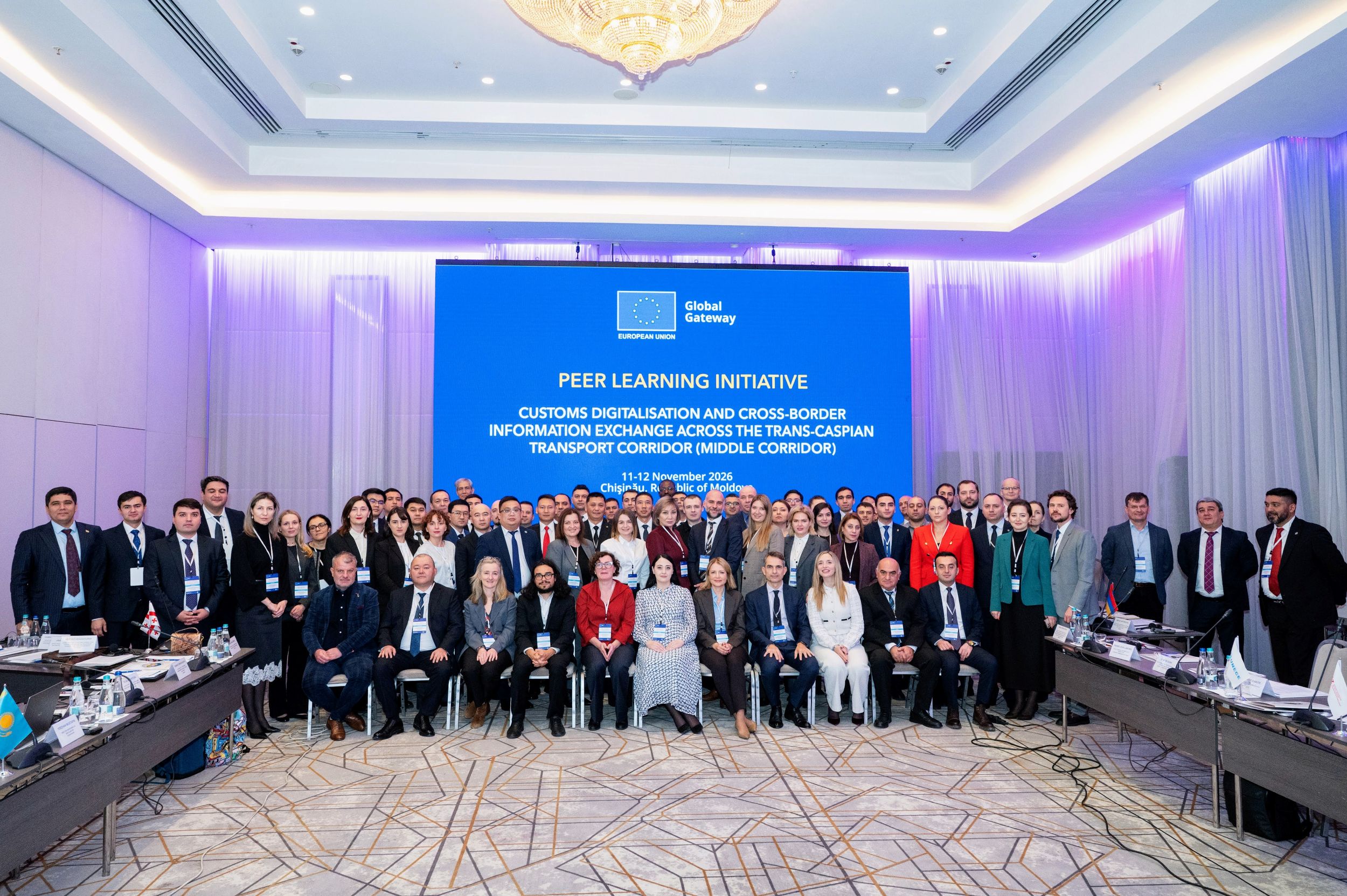
At the Peer Learning Initiative on Customs Digitalisation and Cross-Border Information Exchange across the Middle Corridor, held in Chisinau, Republic of Moldova, on 11-12 November 2026, the UNECE TIR secretariat presented the TIR Convention and the eTIR International System as a practical multilateral framework for the secure exchange of customs transit information across borders.
The event, organized by the International Trade Centre (ITC) in cooperation with the Customs Service of the Republic of Moldova, brought together customs administrations from Central Asia, the South Caucasus, Türkiye, Moldova, Romania, Ukraine, the European Commission and international organizations to discuss customs digitalisation and interoperability along the Trans-Caspian Transport Corridor (Middle Corridor).
As countries continue to modernize customs procedures and invest in digital systems, participants examined how electronic information can be exchanged more efficiently and securely between customs administrations. Discussions focused on practical implementation experiences, interoperability requirements and opportunities to strengthen customs cooperation across national borders.
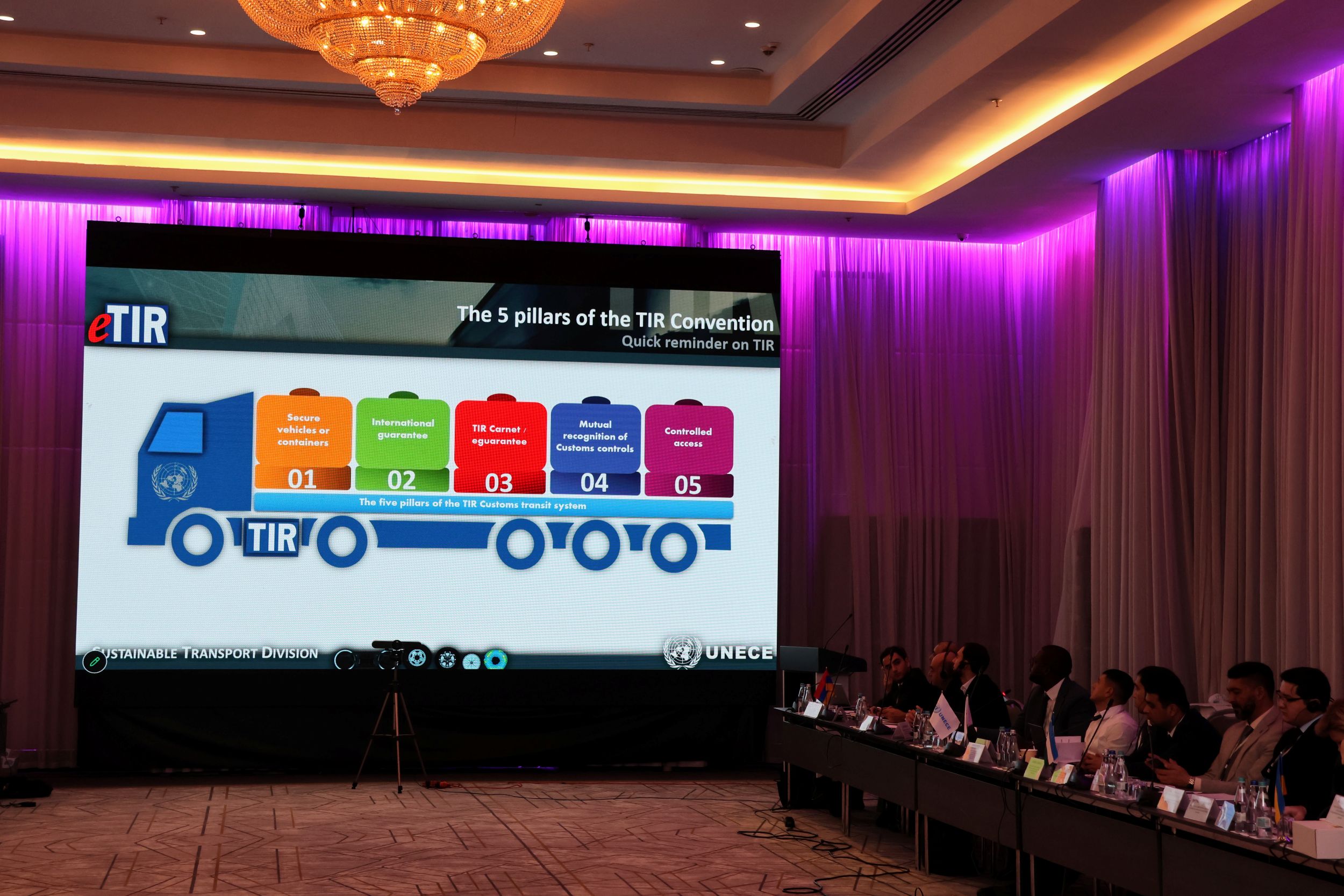
During the session dedicated to regional and multilateral customs data exchange frameworks, UNECE presented the legal and technical foundations of the TIR Convention and the eTIR procedure. The presentation demonstrated how eTIR enables customs authorities to exchange standardized transit information electronically through the eTIR International System while preserving national customs systems and respecting national sovereignty.
Participants were informed about the significant progress achieved in the deployment of eTIR across Central Asia and the Caspian region. Kyrgyzstan, Tajikistan, Turkmenistan and Uzbekistan have successfully interconnected their customs systems with the eTIR International System and are already exchanging electronic TIR data in operational conditions. Kazakhstan is expected to finalize its interconnection shortly, further strengthening regional connectivity.
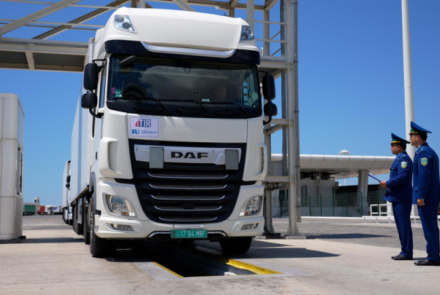
UNECE also showcased recent operational achievements, including paperless TIR transports conducted between Kyrgyzstan and Tajikistan, from Tajikistan to Uzbekistan and across the Caspian Sea between Turkmenistan and Azerbaijan. These experiences illustrate how eTIR can support faster, more reliable and more transparent transit operations along strategic trade corridors.
Particular attention was given to the role of the eTIR National Application, the first United Nations Digital Public Good software developed by the UNECE TIR secretariat in cooperation with the UN Open Source United community. Provided free of charge as open-source software, the application significantly simplifies and accelerates the interconnection of customs administrations to the eTIR International System, reducing implementation timelines from more than a year to approximately one month.
The discussions highlighted that digital connectivity is becoming an essential component of efficient corridor management. While countries are pursuing different modernization paths and implementing various customs technologies, interoperability remains a key requirement to unlock the full benefits of digital trade and transport facilitation.
UNECE emphasized that eTIR complements national and regional digitalization initiatives by providing a globally recognized legal and technical framework for customs transit data exchange. By enabling trusted cooperation between customs administrations, eTIR contributes to more efficient border crossings, enhanced risk management and greater predictability of international transport operations.
UNECE will continue working with customs administrations, regional partners and international organizations to support the implementation of eTIR and strengthen paperless transit connectivity across the Middle Corridor and beyond.